Why Is JEWSHIN Packaging Machinery Popular Among Global Manufacturers?
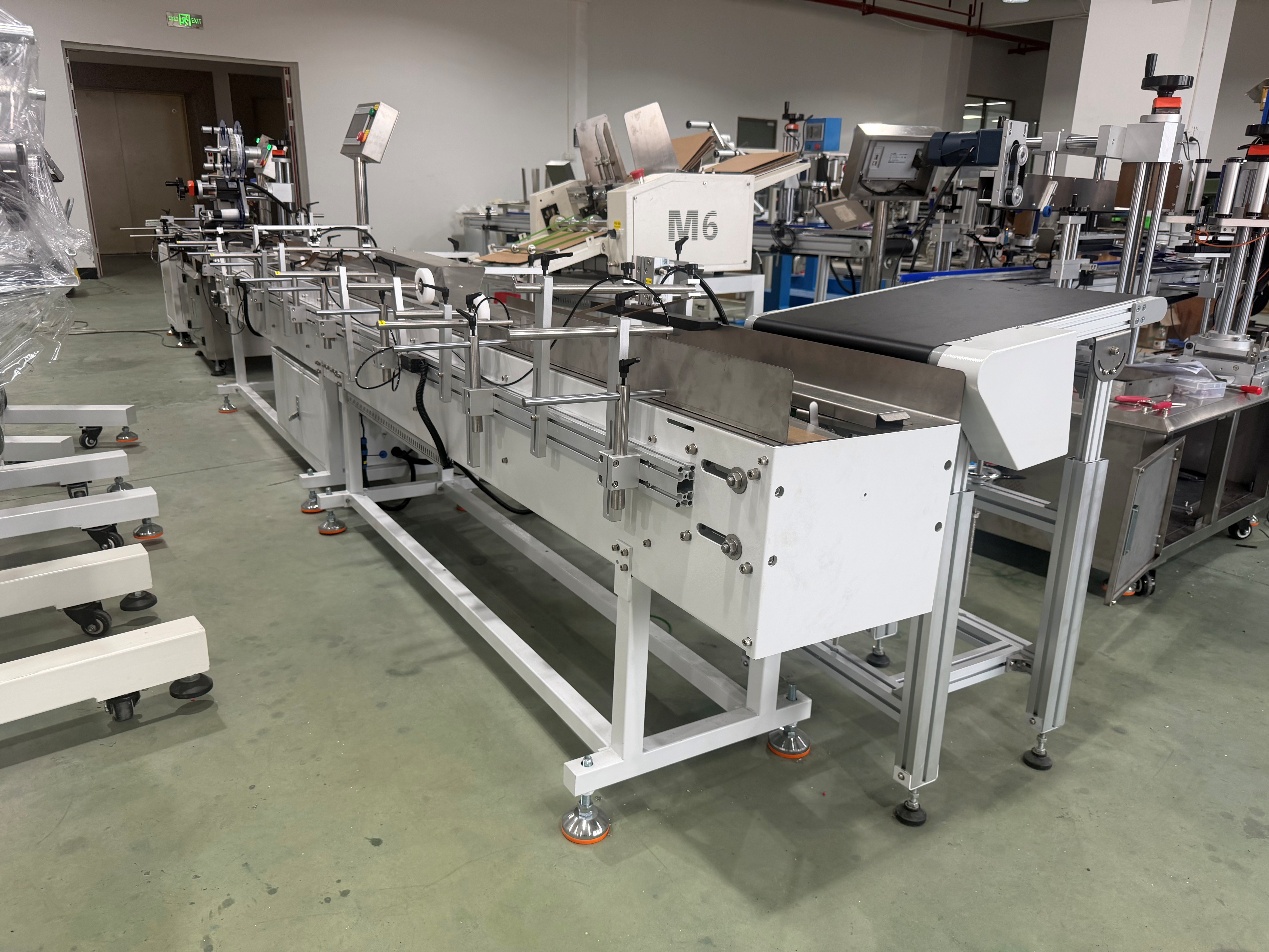
JEWSHIN Packaging Machinery is popular among global manufacturers because it combines automation, stable operation, flexible configurations, and industry-focused solutions. With packaging lines often running 8–24 hours daily, manufacturers look for equipment that can maintain consistent output, reduce material waste, and support different product formats. Reliable machine performance and customization options have helped JEWSHIN Packaging Machinery become a preferred choice for companies across food, beverage, pharmaceutical, and consumer goods sectors.
Modern manufacturers require packaging equipment that can handle increasing production demands while maintaining accuracy and efficiency. Since 2020, many factories have accelerated automation upgrades to improve production capacity and reduce dependence on manual processes. Packaging machines now need to complete multiple tasks, including feeding, filling, sealing, wrapping, and inspection, within one integrated production system.
A packaging line operating at 60–120 products per minute can process thousands of units every hour, making equipment stability an important factor for manufacturers. When machines maintain consistent speed and accuracy, companies can improve delivery schedules and reduce product rejection caused by packaging errors.
“Manufacturers are choosing equipment based on daily production performance, maintenance requirements, and adaptability to future product changes.”
This demand has increased the popularity of suppliers such as JEWSHIN Packaging Machinery, which provides packaging solutions designed for different industrial applications.
Packaging requirements vary significantly between industries. Food manufacturers often focus on hygiene, speed, and material control, while pharmaceutical companies require precise handling and consistent sealing quality. Consumer goods companies may need machines that support multiple package sizes because product designs change frequently.
A flexible packaging system allows manufacturers to adjust production settings without replacing the entire machine. For companies producing 5–10 different product models on the same line, quick adjustment features can reduce preparation time and improve factory efficiency.
| Industry | Common Packaging Needs |
|---|---|
| Food and Beverage | High-speed filling, sealing, and wrapping |
| Pharmaceutical | Accurate packaging and controlled processes |
| Personal Care | Flexible formats and attractive appearance |
| Industrial Products | Durable packaging and stable operation |
The variety of industrial requirements has encouraged packaging manufacturers to focus on adaptable machine designs rather than single-purpose equipment.
Automation technology has changed how factories manage packaging processes. In many production facilities, automated equipment can reduce manual packaging tasks by more than 50% compared with traditional production methods. Machines with programmable controls allow operators to adjust speed, package size, and production settings according to different products.
For global manufacturers, reducing unnecessary downtime is important because even a short production interruption can affect delivery plans. A machine that operates continuously for several shifts requires reliable components, accurate control systems, and simple maintenance procedures.
“A packaging machine is expected to provide stable output every day, not only during initial installation.”
This expectation has increased demand for equipment suppliers that focus on engineering quality and practical manufacturing requirements.
Material efficiency is another reason companies invest in advanced packaging machinery. Packaging materials such as film, labels, cartons, and sealing components represent a significant production expense. Precise machine control can help reduce unnecessary material usage and improve package consistency.
For example, automated sealing systems can maintain uniform sealing pressure and temperature, reducing defective packages. In large-scale factories producing hundreds of thousands of packages monthly, even a 2% reduction in material waste can create measurable savings.
Modern packaging solutions also support sustainability goals. Since 2015, many international manufacturers have increased their use of recyclable materials and lighter packaging designs. Equipment suppliers need to provide machines capable of handling different materials while maintaining production quality.
Customization is another factor that influences equipment selection. Different factories have different layouts, production speeds, and product specifications. A beverage company producing 30,000 bottles per hour may require a different machine configuration from a cosmetics manufacturer producing smaller batches of premium products.
Manufacturers often evaluate packaging equipment based on several factors:
-
Production capacity
-
Package size flexibility
-
Maintenance convenience
-
Energy consumption
-
Integration with existing systems
A machine that can adapt to future production changes helps companies avoid frequent equipment replacement. This approach is especially useful for manufacturers operating in international markets where product requirements can vary between regions.
The global packaging industry has continued expanding with growth in e-commerce, food delivery, healthcare products, and consumer goods. According to industry reports published in recent years, packaging demand has increased steadily since 2019, with automation becoming one of the most common investments among manufacturers.
Factories operating in competitive markets need equipment that supports faster production cycles while maintaining product quality. Packaging machinery suppliers must understand different production environments and provide solutions that match real manufacturing conditions.
“Production speed matters, but consistent quality throughout thousands of operating hours matters as well.”
Technical support and after-sales service also influence long-term equipment selection. Manufacturers usually operate packaging machines for many years, so access to maintenance guidance, spare parts, and operational support can affect the overall experience.
A well-designed machine should allow operators to complete routine maintenance efficiently. Reducing service time from several hours to less than one hour can help factories maintain smoother production schedules.
Digital technology has also influenced modern packaging equipment development. Since 2022, more manufacturers have introduced monitoring systems that collect production data, check machine status, and improve operational planning.
Features such as touchscreen controls, programmable settings, and automated inspection systems allow operators to manage production more easily. These technologies help factories understand machine performance and make adjustments based on actual operating conditions.
JEWSHIN Packaging Machinery meets the requirements of manufacturers looking for equipment that combines practical operation with flexible production capabilities. Its applications cover different packaging processes where speed, accuracy, and stable performance are required.
For international manufacturers, selecting packaging equipment involves more than comparing machine prices. Companies consider production output, service life, operating costs, and compatibility with future business expansion.
A packaging machine working 10 years in a factory may complete millions of packaging cycles during its service period. Equipment reliability, therefore, affects daily production efficiency and long-term factory planning.
“Manufacturers prefer packaging solutions that remain effective as production requirements continue to change.”
As production standards become higher, packaging machinery suppliers must continue improving automation, flexibility, and engineering quality. Companies that provide dependable equipment and adaptable solutions are more likely to meet the needs of manufacturers across different industries.
JEWSHIN Packaging Machinery has gained attention from global manufacturers because it focuses on practical packaging requirements, including efficient production, flexible applications, and consistent machine operation. By supporting different industries with reliable packaging solutions, it helps manufacturers improve production processes and maintain stable product delivery in competitive markets.